Trezor Login: Your Ultimate Guide to Secure Cryptocurrency Access
Cryptocurrency puts you in full control of your money—but with great control comes responsibility. Unlike traditional banks, crypto transactions are irreversible, and losing access to your wallet could mean losing your funds permanently. That’s why Trezor hardware wallets are considered one of the most secure ways to store and manage cryptocurrencies.
Trezor Login refers to accessing your Trezor wallet using your hardware device and the Trezor Suite software. This process ensures that you can safely manage crypto while keeping your private keys offline and secure. This guide explains everything about Trezor login, including setup, features, security tips, troubleshooting, and best practices.
What Is Trezor Login?
Trezor Login is the process of accessing your cryptocurrency wallet through your Trezor device. Unlike online wallets, Trezor keeps your private keys offline, making them immune to hacking attempts.
Login involves two main components:
Trezor Hardware Device: Physically signs transactions, ensuring private keys never leave the device.
Trezor Suite: A desktop or web application that allows you to manage your crypto portfolio, send/receive funds, swap currencies, and track balances.
This combination allows users to securely access and manage crypto while maintaining full control over private keys.
Why Secure Login Matters
Secure Trezor login is essential for several reasons:
Protects Private Keys: Keys remain offline, preventing exposure to malware or phishing attacks.
Prevents Unauthorized Access: The hardware device requires physical confirmation for all transactions.
Manages Multiple Cryptocurrencies: Trezor supports Bitcoin, Ethereum, and hundreds of other coins.
Recovery Ready: Using your recovery seed, you can regain access to your wallet if the device is lost or stolen.
How to Set Up Trezor Login
Before logging in, ensure you have a Trezor device and Trezor Suite installed. Follow these steps:
Step 1: Download Trezor Suite
Visit the official Trezor website:
https://trezor.io/start
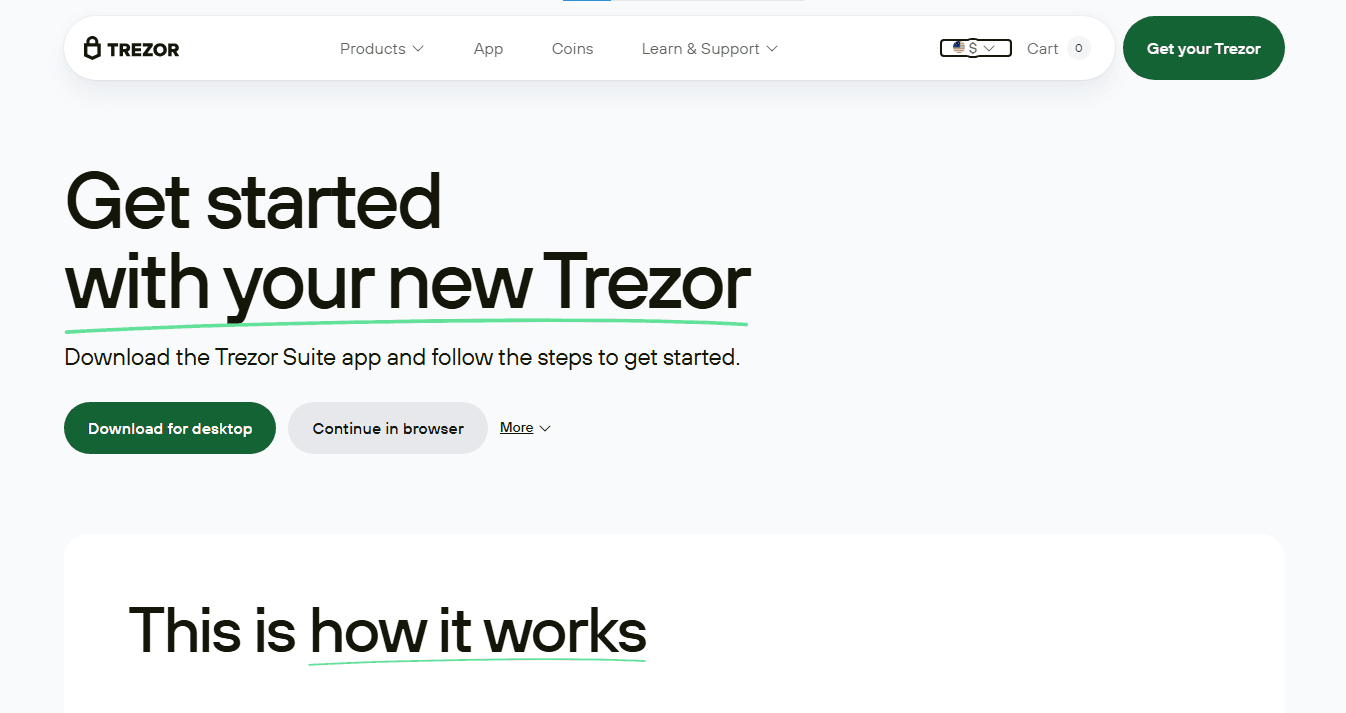
Download Trezor Suite for your operating system (Windows, macOS, Linux) or use the web version.
Follow installation instructions.
Keep the application updated for maximum security.
Step 2: Connect Your Trezor Device
Use a USB cable to connect your Trezor hardware wallet to your computer.
Turn on the device and follow the on-screen prompts.
Some models, like Trezor Model T, also support mobile connectivity.
Step 3: Unlock With Your PIN
Enter your device PIN to unlock it.
The PIN is required every time you log in or confirm transactions.
Trezor uses a randomized on-screen keypad to prevent malware from capturing your PIN.
Step 4: Access Trezor Suite
Launch Trezor Suite on your device or web browser.
The software will detect your Trezor wallet and prompt for login.
After login, you can view balances, send and receive crypto, swap coins, and manage accounts securely.
Features Available After Login
Logging in gives you access to a variety of powerful features:
1. Send and Receive Cryptocurrency
Send: Initiate transactions via Trezor Suite and confirm them on the hardware device.
Receive: Generate a receiving address on your device to ensure safety from malware.
2. Portfolio Overview
Track balances and transaction history for all supported cryptocurrencies.
Monitor your portfolio’s total value and market changes in real time.
3. Swap Cryptocurrencies
Exchange one crypto for another directly in Trezor Suite through trusted partners.
Every swap requires device confirmation for added security.
4. Device Management
Install or uninstall apps for supported coins.
Update firmware to keep your device secure and compatible with new features.
Backup or restore wallets using the recovery seed.
5. Security Settings
Enable passphrase protection for extra security.
Set up two-factor authentication (2FA) where supported.
Best Security Practices
Even with Trezor’s built-in security, following these practices keeps your crypto safe:
Download Trezor Suite only from the official website.
Never share your recovery seed or PIN.
Always verify addresses and transaction details on the device.
Keep firmware and software updated.
Use a secure and private computer or mobile device for logging in.
Enable passphrase protection for an additional layer of security.
Troubleshooting Common Issues
Device Not Detected: Check USB connections or try a different port. Restart Trezor Suite.
PIN Problems: Ensure the correct PIN is entered. Too many failed attempts temporarily lock the device.
Firmware Update Required: Follow Trezor Suite instructions to update the device.
Web App Issues: Clear browser cache, switch browsers, or use the desktop application.
Frequently Asked Questions
Q: Can I log in without my Trezor device?
A: No. Physical device confirmation is required for all transactions and access.
Q: Can I use Trezor Suite on multiple devices?
A: Yes, but the Trezor hardware device must be connected to approve transactions.
Q: What if I forget my PIN?
A: Reset the device and restore the wallet using your recovery seed.
Q: Is Trezor login suitable for beginners?
A: Yes. Trezor Suite provides an intuitive interface for all users.
Conclusion
Trezor Login is your gateway to secure cryptocurrency management. By following proper login procedures through Trezor Suite and your hardware device, you can safely:
Access crypto balances
Send and receive funds
Swap cryptocurrencies
Manage apps and firmware
Enhance security settings
Following best practices like using strong PINs, verifying addresses on the device, and safeguarding your recovery seed ensures your funds remain secure. Trezor, combined with Trezor Suite, provides one of the safest and most reliable ways to control digital assets, making Trezor login essential for every crypto holder.